Understanding the Impact of Live Music on Communities
Live music events are more than just entertainment; they play a significant role in strengthening community ties, enhancing local culture, and boosting local economies. This article explores the various impacts live music can have on communities in the US.
The Cultural Significance of Live Music
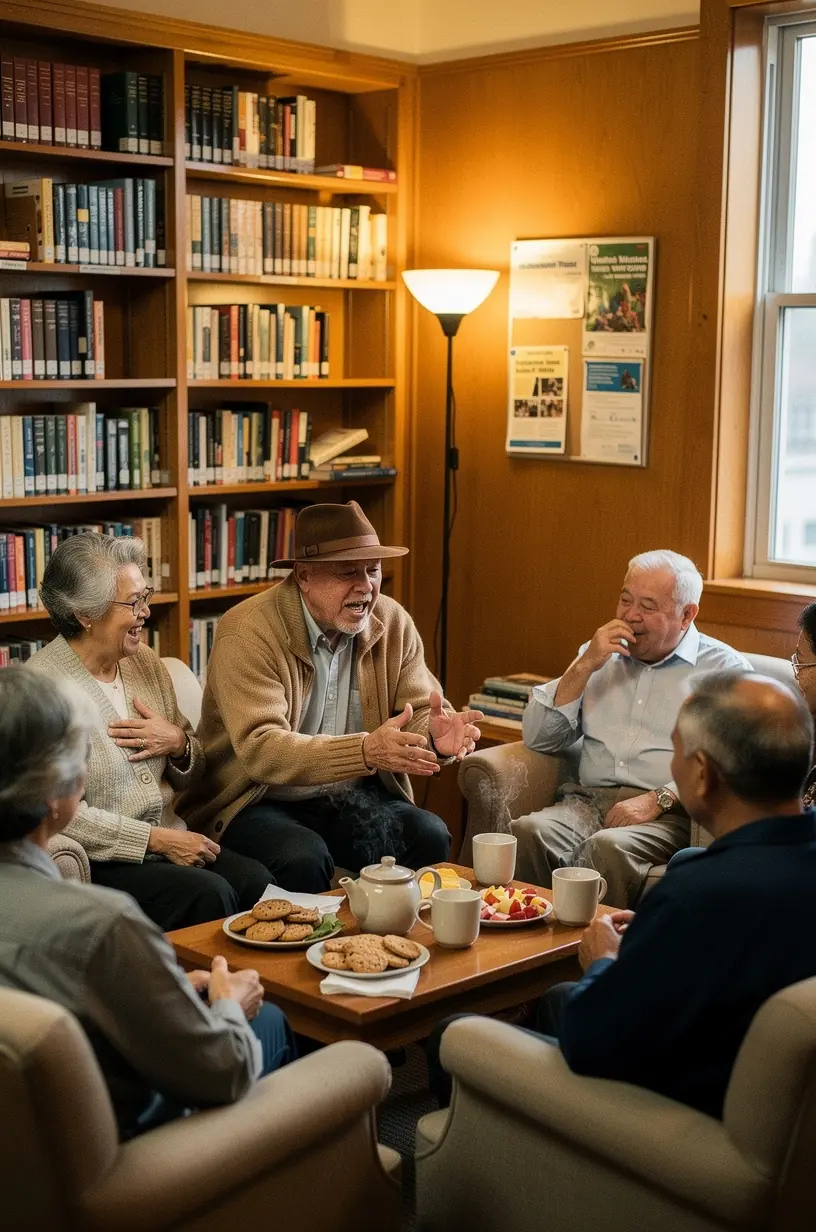
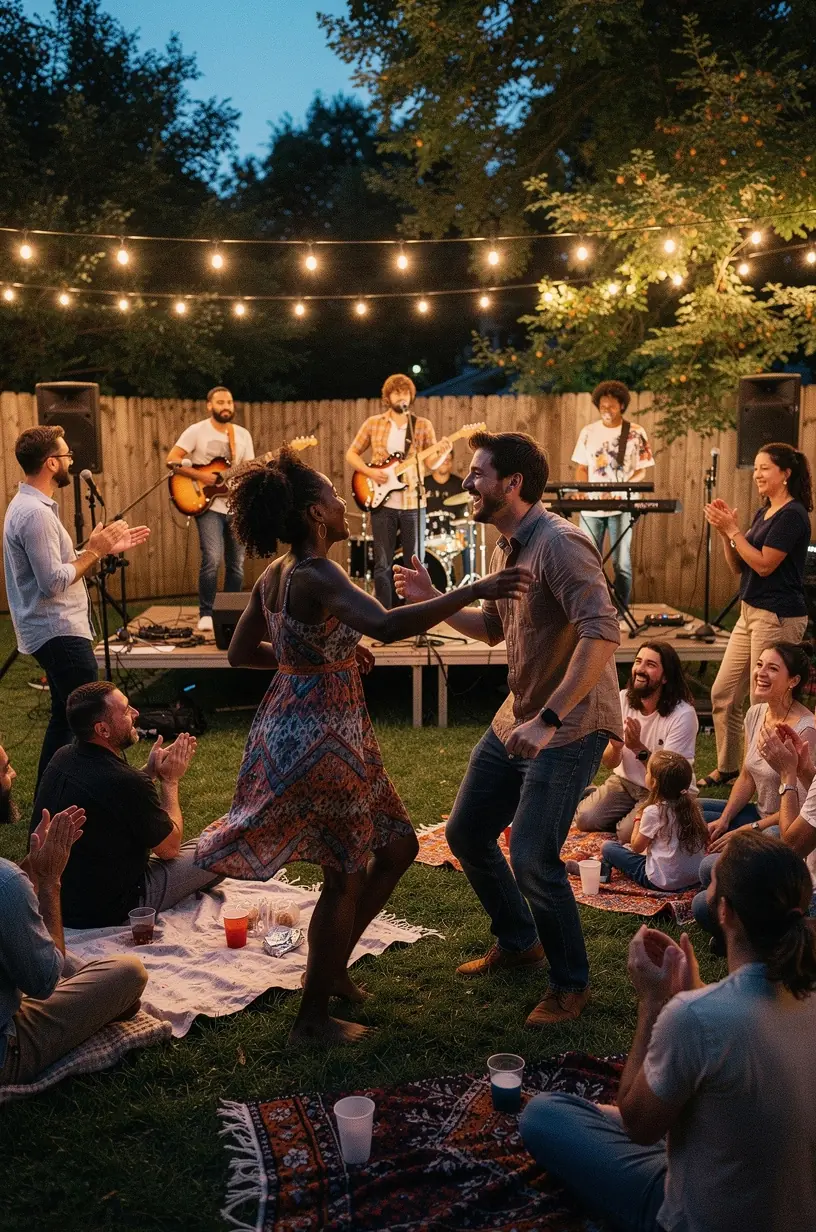
Live music has been a part of human culture for centuries, often serving as a medium for expression and connection among individuals. According to research, communities that engage in live music events often report a stronger sense of belonging and pride in their local culture. Many users have found that these events foster interactions that might not occur otherwise, leading to deeper relationships among residents.
"Music is a universal language that brings people together, transcending barriers of age, culture, and background."
Economic Benefits of Hosting Live Music Events
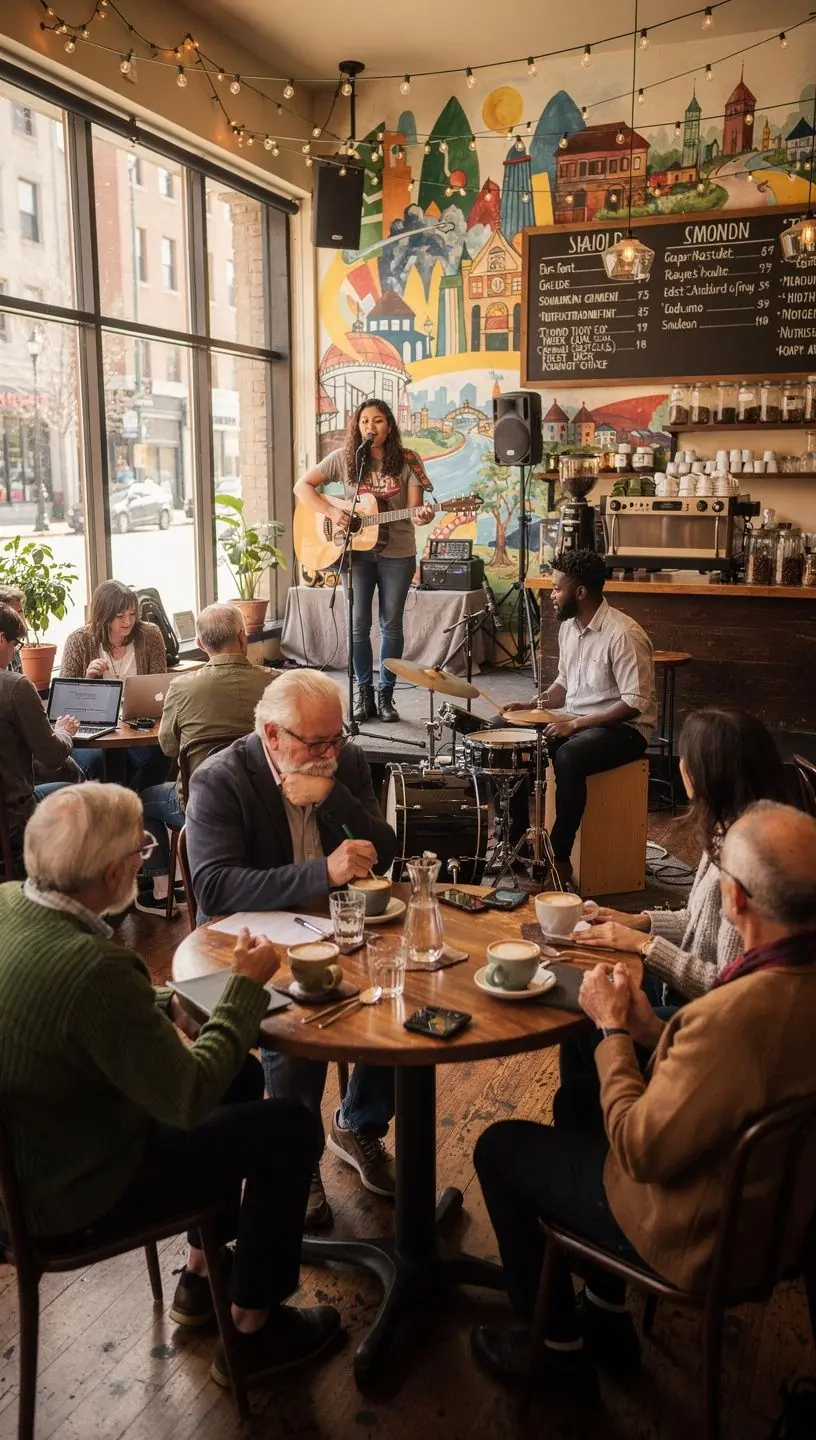
Communities that host live music events can experience notable economic benefits. Studies show that small concerts and local music festivals can boost local businesses, particularly restaurants and shops, by attracting visitors. In most cases, these events lead to increased foot traffic, which can enhance sales during and after the events.
How Live Music Affects Local Economies
- Increased Revenue: Local businesses often report a 20-30% increase in sales during live music events.
- Job Creation: Events often require staff, leading to temporary job opportunities for local residents.
- Tourism Boost: Well-promoted music events can attract visitors from outside the community, further stimulating the local economy.
The Social Impact of Live Music Events
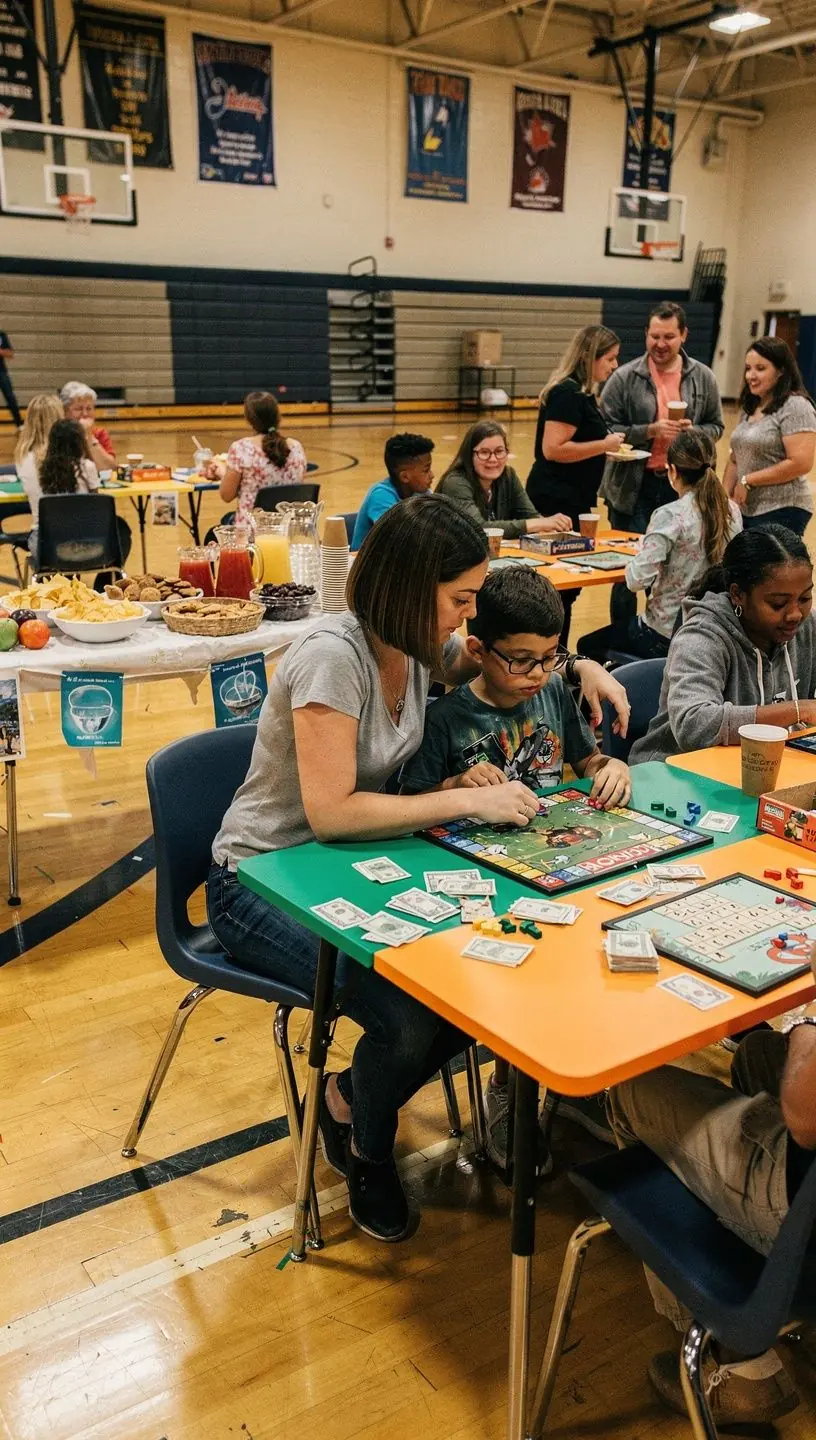
Beyond economic advantages, the social impact of live music is profound. Many community members engage in volunteer work to organize these events, which can enhance community cohesion. Experts recommend that communities actively promote live music as a means to improve social interaction and community wellbeing. This approach often leads to a more vibrant and connected community atmosphere.
Building Community through Music
- Fostering Inclusivity: Live music events often welcome diverse groups, encouraging a culture of inclusiveness.
- Enhancing Mental Health: Participation in music events can have positive effects on mental health; studies indicate that social engagement in music can reduce feelings of anxiety and depression.
- Creating Shared Experiences: Sharing live music experiences can forge lasting memories and relationships among community members.
Challenges and Considerations
While there are many potential benefits, organizing live music events also comes with challenges. Successful events require careful planning, often taking several weeks to coordinate. This includes securing funding, permits, and talent, which requires dedication and community support. It's important to set realistic expectations; while the benefits can be significant, they are not guaranteed and depend on numerous factors, including community engagement and local support.
Conclusion
Live music can serve as a powerful tool for community building, offering both cultural enrichment and economic benefits. By understanding the multifaceted impacts of live music, communities can make informed decisions about how to integrate these events into their social fabric. Ultimately, fostering a vibrant live music scene can help strengthen community bonds, support local economies, and create a more inclusive environment for all residents.