Tips for Engaging Diverse Audiences at Events
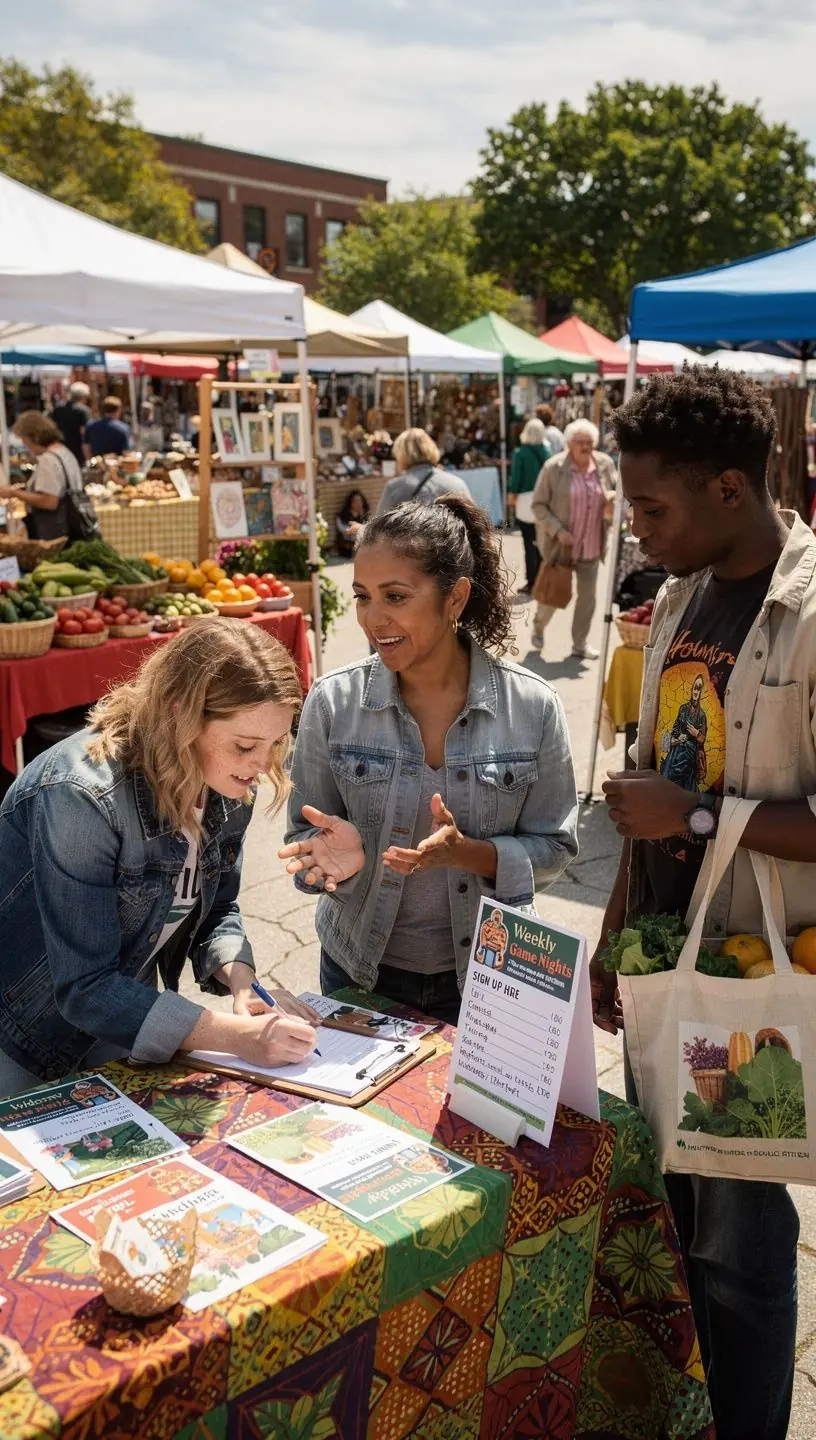
Creating inclusive and engaging events is essential for fostering community spirit and encouraging participation. This article will explore practical strategies to connect with diverse audiences, particularly in the context of neighborhood events like board games, social clubs, and small concerts.
Understanding the Importance of Inclusivity
Engaging a diverse audience is not just beneficial; it is essential for the success of events. According to research from the American Planning Association, inclusive events often see higher attendance and community involvement. This works because when individuals feel represented, they are more likely to participate actively.
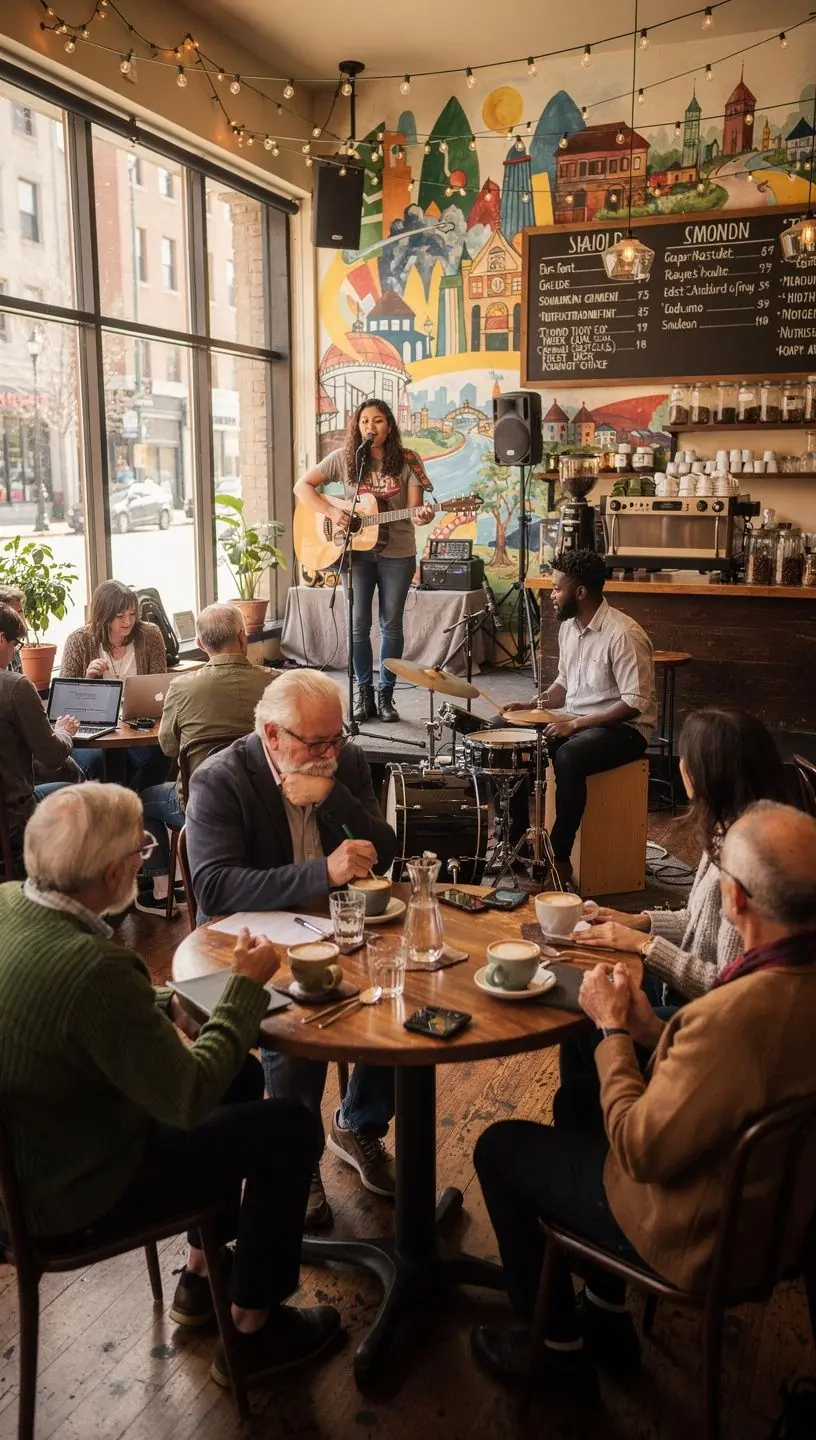
"Inclusion leads to increased satisfaction among event attendees, which can boost future participation rates."
Get to Know Your Audience
The first step in engaging diverse audiences is understanding their specific needs and preferences. Consider conducting surveys or informal interviews within your community to gather insights. Experts recommend using this data to tailor your events to reflect cultural backgrounds, interests, and accessibility needs. This process typically involves:
- Identifying community demographics through local resources.
- Creating surveys that focus on gathering information about preferences and accessibility requirements.
- Analyzing responses to inform your event planning.
Diverse Programming
Diverse programming is another effective strategy. By offering a variety of activities, you can cater to different interests and age groups. Studies indicate that events featuring a mix of activities (such as board games, music, and art) can attract a broader audience. Here are some practical tips for diverse programming:
- Include multiple types of games and activities: Board games, card games, and interactive workshops are all appealing options.
- Incorporate cultural elements: Invite local artists or musicians to showcase their talents, fostering a sense of belonging.
- Ensure accessibility: Consider physical accessibility and provide materials in multiple languages when necessary.
Effective Marketing Strategies
Marketing your event is crucial to reaching a wider audience. Utilize various channels to promote inclusivity, including:
- Social Media: Use platforms popular within different demographics to share event details.
- Community Boards: Post flyers in local community centers and libraries to reach those who may not be online.
- Collaborations: Partner with local organizations that serve diverse communities to help spread the word.
Feedback and Adaptation
Post-event feedback is invaluable. Gathering insights can help you understand what worked and what didn’t. Many users report that implementing changes based on attendee feedback can lead to improved future events. This typically involves:
- Creating feedback forms to distribute at the end of the event.
- Encouraging open dialogue during and after the event about participants' experiences.
- Analyzing the feedback to identify patterns and areas for improvement.
Conclusion
Engaging diverse audiences at events takes intention and effort, but the rewards can significantly enhance community spirit and participation. By understanding your audience, providing varied programming, effectively marketing your events, and being open to feedback, you can create meaningful experiences that resonate with many different community members. Remember, building an inclusive environment requires ongoing commitment and adaptation.
Discover More