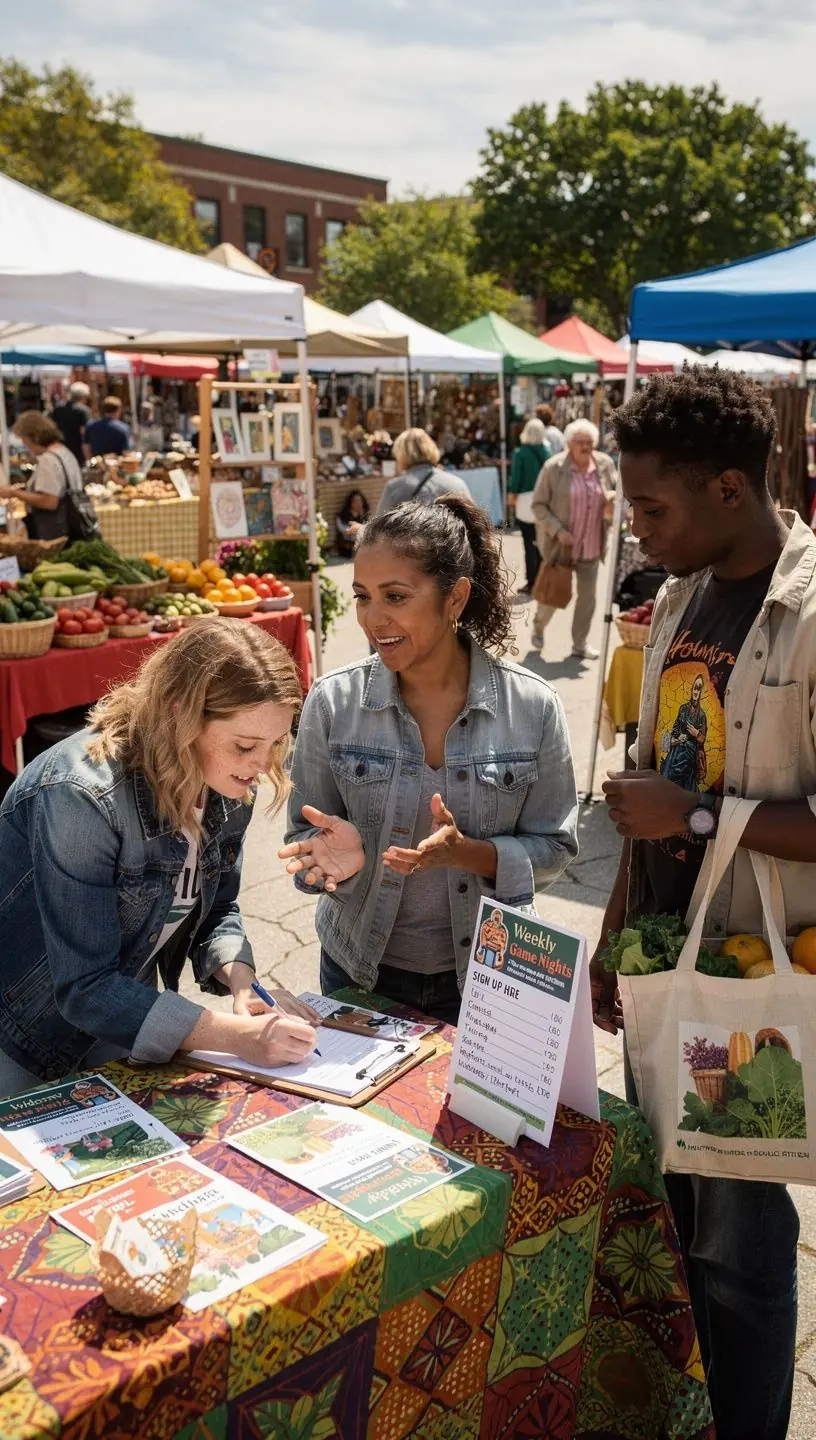
Navigating Local Regulations for Event Planning
Planning events in your neighborhood can be an exciting endeavor, but it often involves navigating various local regulations. Understanding these regulations is crucial for a successful event, whether it’s a board game night, a small concert, or a social club gathering.
Understanding the Basics
When organizing an event, it is essential to familiarize yourself with local regulations that govern public gatherings. According to research, many community organizers often overlook this aspect, which can lead to unexpected complications. Local regulations may include permits, insurance requirements, noise ordinances, and health and safety codes.

"Understanding local regulations can make the difference between a successful event and a canceled one." - Event Planning Experts
Permits and Licenses
Typically, organizing a public event requires obtaining certain permits. The requirements vary by city and state, but common permits include:
- Special Event Permit: Most municipalities require this for any gathering in public spaces, especially those that expect a large turnout.
- Noise Permit: If your event involves music or loud activities, a noise permit may be necessary to comply with local noise ordinances.
- Vendor Permits: If you plan to sell food or merchandise, you will likely need vendor-specific permits.
Many users report that starting the permit application process at least 2-4 weeks in advance can help avoid last-minute hurdles.
Insurance Considerations
While not always mandatory, obtaining liability insurance is often recommended by industry experts. This insurance protects you from potential claims related to accidents that may occur during your event. According to studies, having adequate insurance can reduce financial risks and increase the likelihood of securing necessary permits.
Health and Safety Compliance
In most cases, adhering to health and safety codes is essential, especially for events involving food and large groups of people. Your local health department typically provides guidelines that need to be followed. This may involve:
- Ensuring that food vendors meet health standards.
- Having first aid stations available if necessary.
- Implementing crowd control measures to ensure safety.
Experts recommend reviewing these requirements well in advance to ensure compliance and avoid potential fines or event cancellations.
Conclusion
Successfully navigating local regulations for event planning requires a proactive approach. By understanding the necessary permits, insurance needs, and health compliance requirements, you can significantly enhance the chances of your event being successful. Remember to start the planning process early, as many of these requirements may take time to fulfill, and being organized can help alleviate stress as the event date approaches.
Ultimately, thorough preparation can help create a memorable and enjoyable experience for all participants in your community event.
Discover More