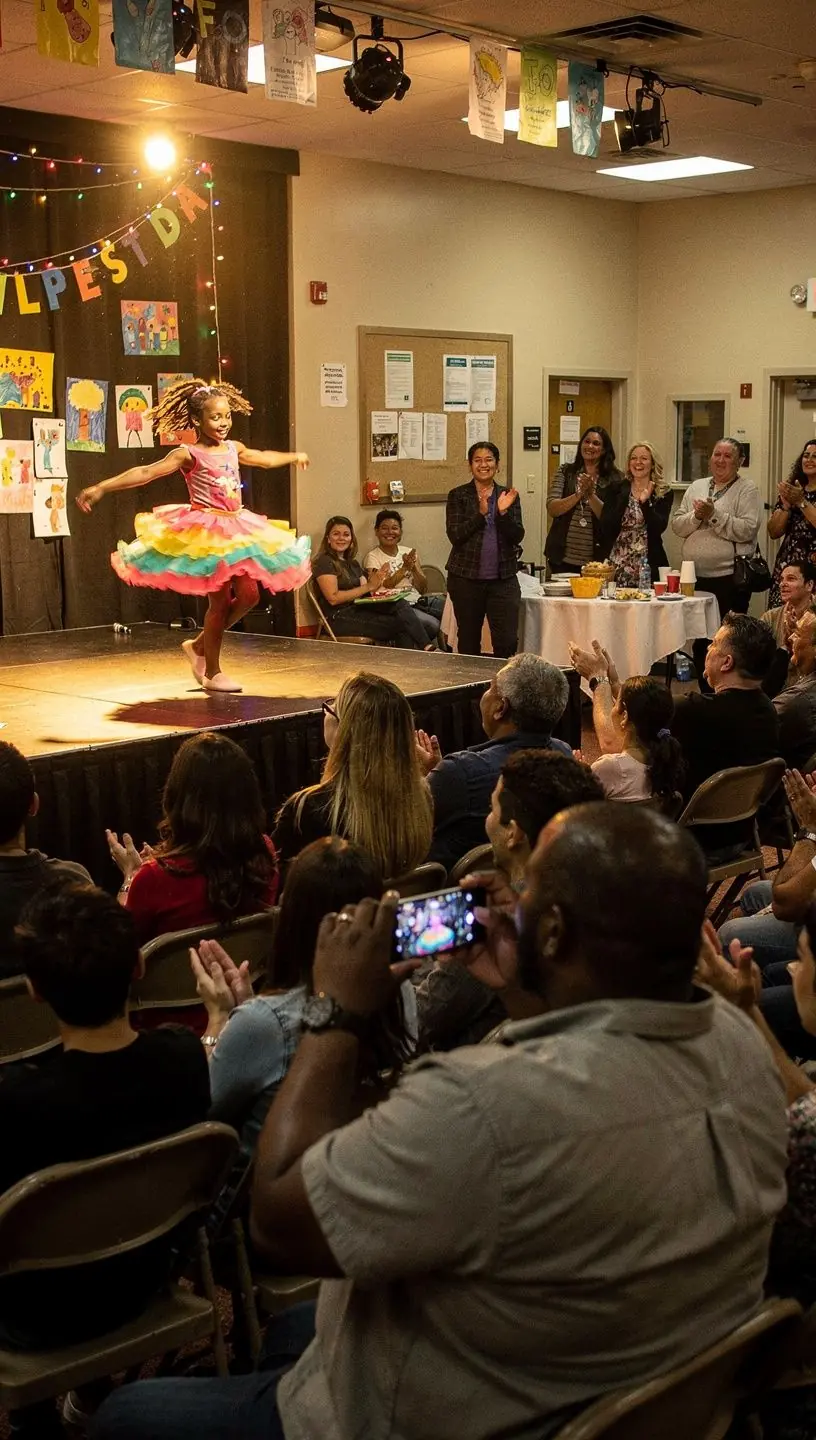
How to Organize a Community Concert Event
Organizing a community concert can be a rewarding endeavor, fostering connection and collaboration among local residents. However, it requires careful planning and execution. This guide will walk you through essential steps to ensure your concert is successful while setting realistic expectations about the effort involved.
Understanding the Basics
Community concerts often serve as a platform for local artists and provide entertainment for residents. According to research, events like these can enhance community spirit and encourage social interactions among attendees. However, organizing a concert effectively typically involves several logistical considerations.
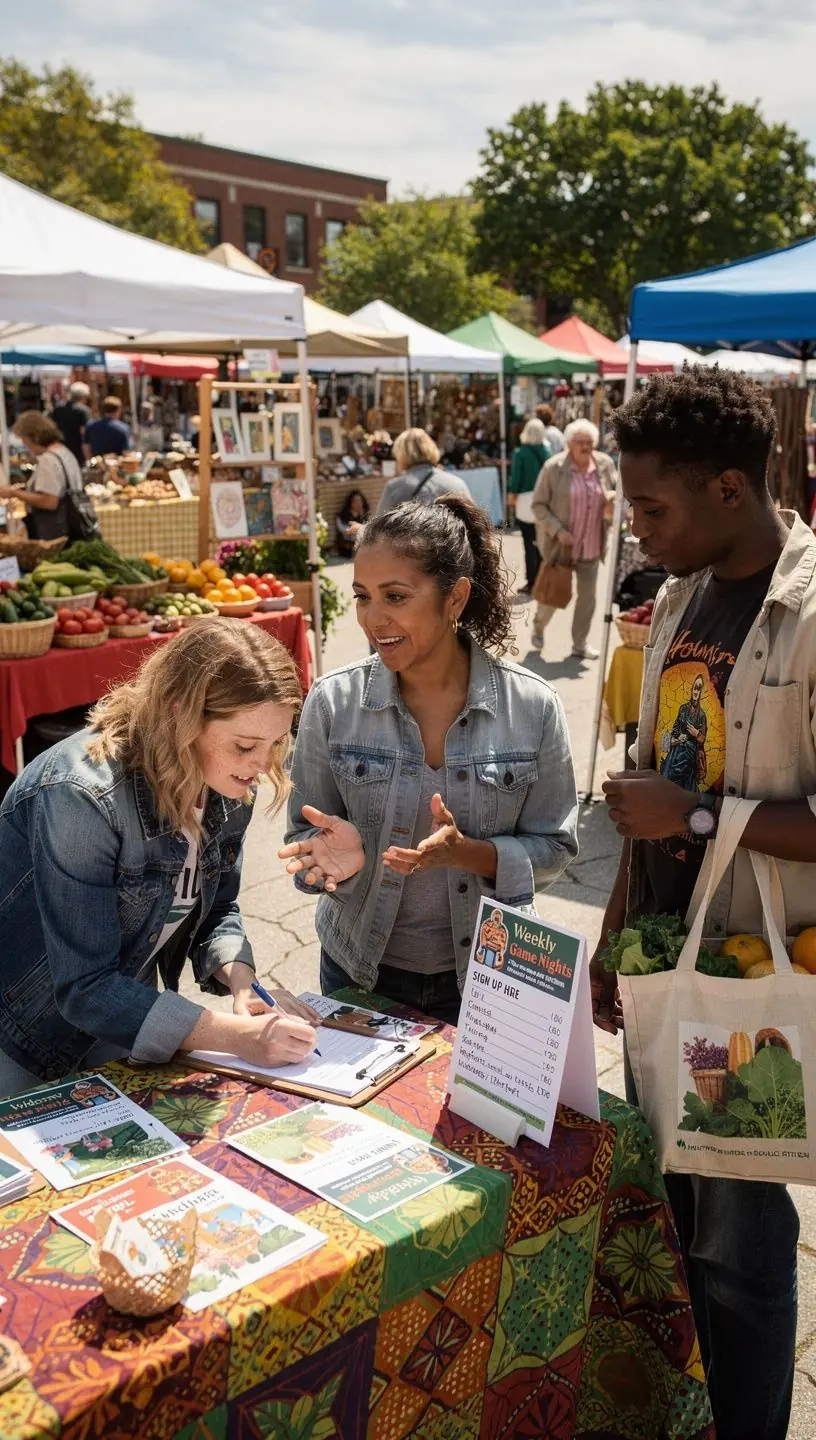
"Successful community events often rely on comprehensive planning that addresses both the logistical and social aspects of the occasion."
Steps to Organize Your Concert
Here is a step-by-step approach to organizing a community concert:
- Define Your Goals: Determine what you want to achieve with the concert. Whether it's raising funds for a local charity, showcasing local talent, or simply bringing the community together, having clear objectives is crucial.
- Set a Budget: Establish a realistic budget that includes venue costs, artist fees, equipment rentals, and marketing expenses. Industry experts suggest allocating 10-15% of your budget for unexpected costs to avoid financial strain.
- Choose a Suitable Venue: Select a location that accommodates your expected audience size. Outdoor venues can often host larger crowds, while indoor spaces may provide better acoustics. Many users report that parks or community centers are popular choices for their accessibility.
- Book Artists: Reach out to local musicians or bands to perform. Make sure to consider their experience and audience appeal. According to studies, featuring diverse acts can attract a broader audience.
- Secure Necessary Permits: Depending on your location, you may need permits for hosting a concert. Consult local regulations and follow standard practices to ensure compliance.
- Promote the Event: Utilize social media, community bulletin boards, and local newspapers to spread the word. Consistent promotional efforts can significantly boost attendance, as many event organizers find that early marketing often leads to increased engagement.
- Plan for Logistics: Consider sound equipment, lighting, crowd management, and accessibility needs. Often, having a dedicated team to oversee these areas can streamline the process and enhance attendee experience.
- Gather Feedback: After the event, seek feedback from attendees and participants. This can provide valuable insights for future events and foster a sense of community involvement.
Acknowledging Limitations
While organizing a concert can be fulfilling, it typically requires a time commitment of 2-4 months of planning and preparation. This process involves ongoing communication with performers, vendors, and local authorities. Additionally, not all venues or artists may be available, so flexibility is often necessary.
Conclusion
Community concerts can foster a vibrant local culture and strengthen community bonds. By following these steps and aligning your efforts with industry standards, you can create a memorable event. Remember, the key to a successful concert lies not just in the entertainment provided, but in the connections forged through shared experiences. With careful planning and realistic expectations, your community concert can become an annual highlight.
Discover More