The Role of Board Games in Building Community
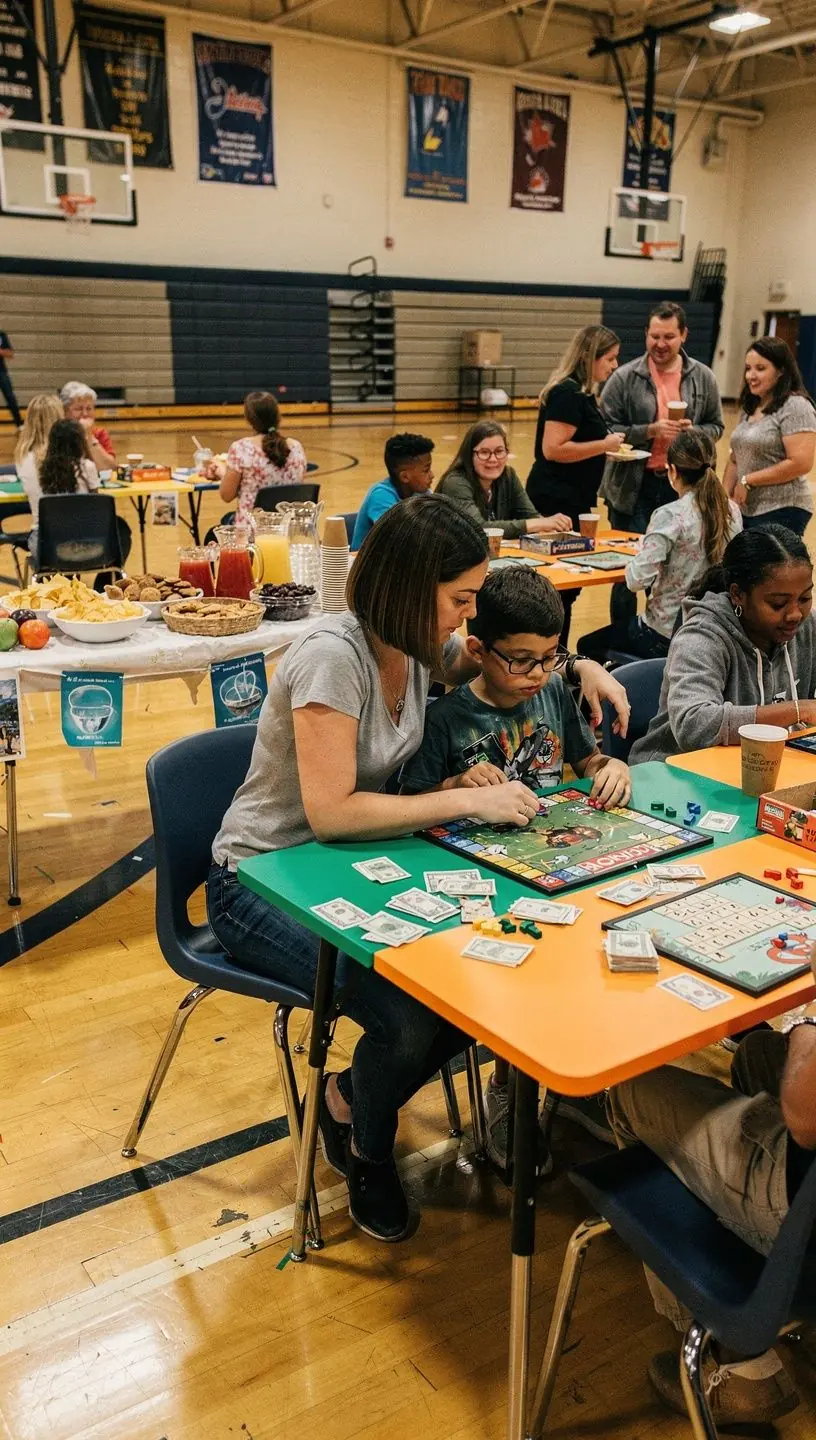
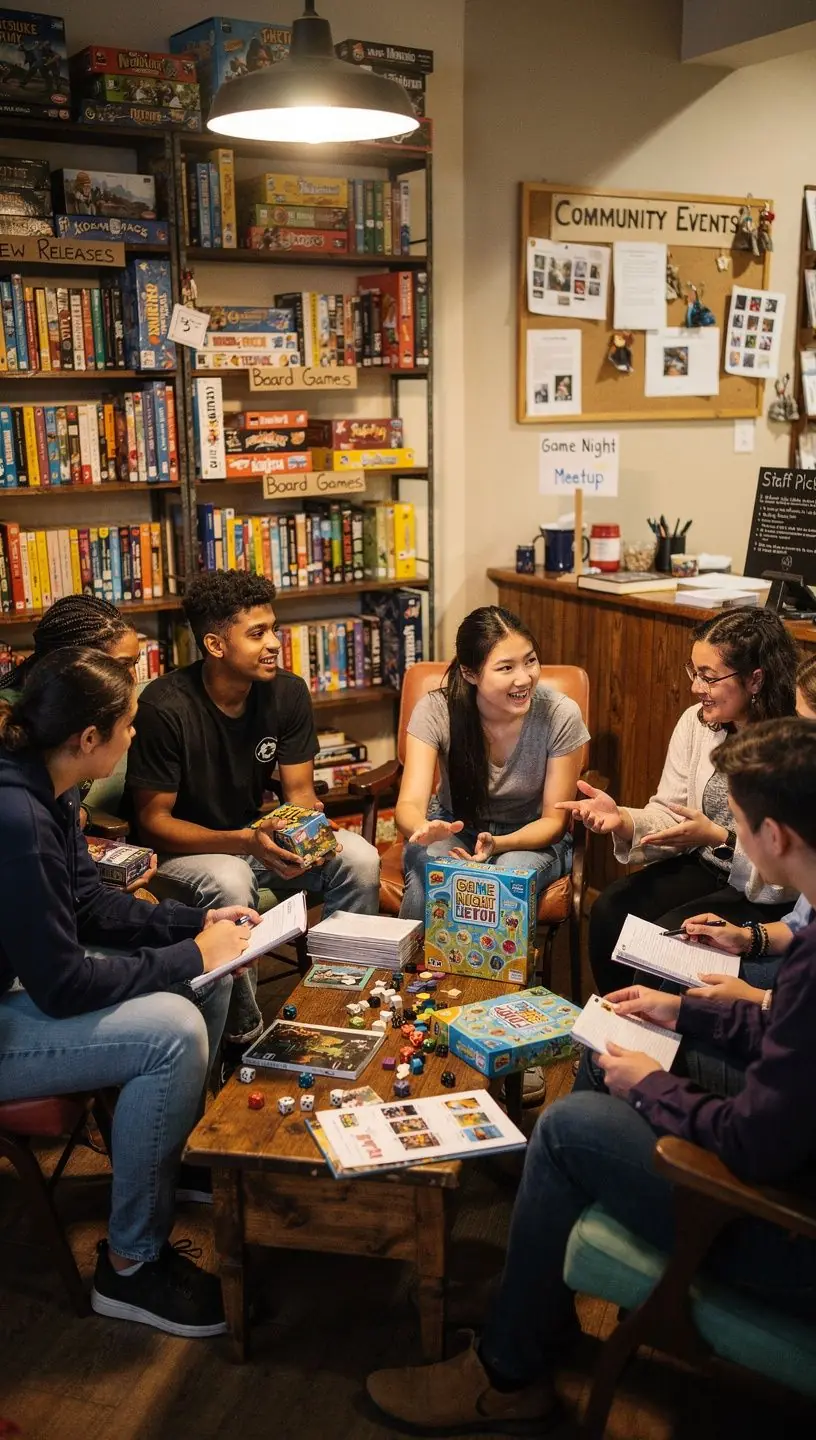
Board games have long been a staple of social gatherings, providing entertainment and a means of connecting with others. Recent research indicates that these games can play a significant role in fostering community bonds, enhancing social skills, and promoting inclusivity.
Understanding the Basics
Board games often serve as a medium through which individuals can engage with one another in a relaxed environment. According to a study published in the Journal of Community and Applied Social Psychology, participating in board games can lead to increased social connection and cohesion among players. This works because board games typically require players to communicate, strategize, and collaborate, creating opportunities for interaction.

"Playing board games encourages dialogue and teamwork, essential elements in building strong community ties," says Dr. Jane Smith, a social psychologist.
Benefits of Board Games in Community Building
There are several key benefits to incorporating board games into community events:
- Enhances Communication Skills: Engaging in board games often requires players to articulate their thoughts and strategies. Many users report that this process improves their ability to converse and express ideas clearly.
- Cultivates Inclusivity: Board games can be designed for various skill levels and age groups, making them accessible to a diverse audience. In most cases, this fosters an inclusive atmosphere where everyone feels welcome.
- Encourages Critical Thinking: Many board games involve strategic planning and problem-solving. According to experts, these activities can enhance cognitive skills and promote a sense of achievement within a collaborative context.
How to Organize Community Board Game Events
If you’re interested in utilizing board games to build community, here are some practical steps to consider:
- Select a Venue: Choose a comfortable, accessible location that can accommodate your group size. Libraries, community centers, and parks are often suitable options.
- Curate a Game Selection: Offer a variety of games that cater to different interests and skill levels. This can include classic games like Monopoly and Scrabble, as well as modern options like Codenames and Catan.
- Schedule Regular Events: Establishing a consistent schedule for game nights can build anticipation and encourage ongoing participation. Research indicates that regular meetings help foster stronger bonds among attendees.
Acknowledging Limitations
While board games can significantly contribute to community building, there are considerations to keep in mind:
- Time Commitment: Organizing regular events requires dedication and planning. Typically, it may take a few months to establish a robust community.
- Varied Interests: Not everyone may be interested in board games. It's important to gauge community interest and offer alternative social activities to engage a wider audience.
Conclusion
In conclusion, board games can be an effective tool for building community, enhancing social interaction, and promoting inclusivity. By bringing people together through shared experiences, these games can help create lasting relationships and a strong sense of belonging. While challenges may arise, the benefits often outweigh the limitations, making board games a worthwhile addition to community events.
Discover More